
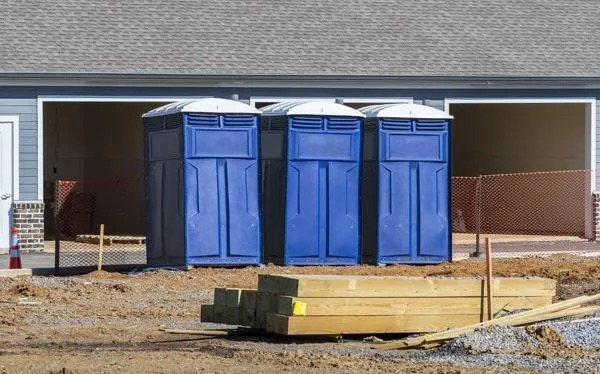
Confirm the replacement before removing the temporary toilet
A bathroom being installed, inspected or handed over is not the same as a facility released for the workforce to use. Ask the responsible site manager when it becomes usable, which people may enter and whether opening hours cover the remaining work. Avoid telling the provider that all temporary units can leave solely because a practical-completion date appears on the programme.
Check washing as well as toilet access. A newly available indoor toilet may not serve workers outside the secured building or people finishing external works. List the actual groups still dependent on the temporary arrangement; discuss accessible equipment where needed rather than assuming the indoor alternative fits every user.
Reduce a phased site in phases
Walk through the remaining activities with the site contact: finishing trades, external work, inspection visits, cleaning and removal of temporary facilities can continue on different schedules. Describe where those people work and which facilities they may use. This helps the provider review a revised equipment and care arrangement without treating a smaller crew as an automatic removal instruction.
If one area finishes before another, identify the individual units proposed for collection and those still in use. Give the order contact a current location list and obtain confirmation of the revised scope. A unit left on site should remain covered by an agreed rental and service arrangement; silence is not a confirmed extension.
Protect the final service and collection visits
Permanent fencing, new gates, resurfacing, landscaping or changed security arrangements can close an approach before the last temporary unit is collected. Tell the provider about those milestones while access can still be assessed. Coordinate a collection window with the people controlling the work, not just the crew's last shift.
Do not drag a toilet to a new position to clear the finished area. If collection cannot occur as proposed, arrange the next step with the provider and site manager. Keep the user approach, washing point and service route usable for any period of continued use.
Leave a clear closeout record
Give the receiving or closeout contact the confirmed unit locations, intended final-use times and collection instructions. Ask them to report a missed access opportunity or a change in the replacement facilities promptly. Removing temporary toilets does not include site debris clearance or other contractors' equipment.
Your enquiry can start with the anticipated closeout sequence even when dates remain provisional. Identify what is confirmed, what depends on another handover and who can authorize a change, so the final arrangements do not rely on an out-of-date programme.
Questions before you book
Can construction toilets leave as soon as indoor bathrooms are installed?
Only plan that change after the responsible site manager confirms the remaining users have permission and practical access to usable replacement toilets and washing. Installation alone does not establish that access.
Can some units be collected while others remain?
Describe the remaining work groups and identify the particular units concerned. The provider must confirm any revised quantity, care, rental period and collection arrangement.
What if permanent fencing will block pickup?
Raise the access change before the fence or other barrier closes the route. Coordinate with the site manager and provider; do not move the rented equipment yourself.