
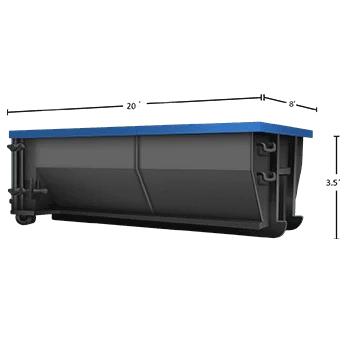
When a dumpster is useful
A container may suit household sorting, move-out debris, landscape-related cleanup, renovation waste, event teardown, or property maintenance that creates more material than ordinary collection can reasonably handle. Describe the work rather than selecting by a label alone: a garage cleanout, roofing project, tenant turnover, community event, or ongoing maintenance each produces different materials and access needs.
A dumpster request begins with the load. Tell us what is being removed, whether material will be kept separate, and whether any items are uncertain. Loads that appear similar can have different acceptance requirements, especially when household contents, construction debris, yard material, appliances, liquids, chemicals, batteries, or other regulated material are involved.
- A clear description of the material and its likely volume
- Whether debris will be separated or mixed
- The planned start, end, and collection window
- The exact property or jobsite location
- A site contact who can answer access questions
Choose the right waste service for the job
Dumpster service is intended to contain waste for removal. A portable toilet serves people at a worksite, gathering, or temporary outdoor location. Many projects need one or the other; a renovation, construction site, or large event may need both, with each service planned around its own placement and access requirements.
For active construction work, temporary restroom placement should be coordinated away from vehicle movements and work hazards. Review construction toilet guidance separately from the container plan so crews have practical sanitation access without blocking the waste route.
Prepare the placement area and truck route
Identify a level, reachable location before requesting a container. Consider the approach from the street or gate to the placement area, turning room, parked vehicles, low branches, wires, roofs, gates, soft ground, slopes, and other overhead or ground-level restrictions. A container location that works for people loading it also needs to work for delivery and collection equipment.
Protect surfaces where appropriate and discuss pavement, decorative drives, turf, or other sensitive ground conditions in advance. Property approval may be needed for a shared drive, managed property, public-facing space, or location near a right-of-way. Keep the agreed route and container area clear through collection.
- Placement address and a useful site description
- Gate, lock, parking, or property-manager instructions
- Overhead clearances and ground conditions
- Whether the container may need to remain in place during a project phase
- The person authorized to make access decisions on site
Load, care, and collection coordination
Load material inside the container and maintain a safe fill level for transport. Do not rely on assumptions about items that may require separate handling. If the project changes, new materials appear, or the planned collection timing no longer fits the work, share that information before collection is attempted.
A quote discussion can cover the requested container service, the planned rental period, delivery and collection coordination, and applicable acceptance or access considerations. Availability and the appropriate container arrangement are confirmed for the actual load and site.
Questions before you book
What information is needed for a dumpster rental request?
Provide the site address, a description of the material, whether loads will be separated, the expected project period, proposed placement area, vehicle approach details, and an on-site contact.
How should materials be separated before requesting a container?
Keep known material categories distinct where practical and identify uncertain items before loading. Ask about the intended load rather than assuming a mixed container accepts every household, construction, or regulated material.
What placement and collection access must be considered?
Plan for a clear truck approach, room to maneuver, overhead clearance, stable ground, surface considerations, gate access, parked vehicles, and a reachable contact for delivery or collection questions.