
Keep ordinary collection separate from overflow planning
The Town of Plain Dealing published a January 2026 collection notice stating that collection is based on assigned, paid cans and that extra cans or loose bags need an advance arrangement. Do not assume bags left beside a regular can will be collected automatically.
For a cleanout, project debris, event waste, or recurring overflow, first determine whether municipal collection can address the material and volume. A separate dumpster or roll-off container conversation may be more useful when the load is beyond ordinary can service or must be managed at a particular site.
- Describe what is going into the container, including household contents, brush, construction material, or event waste.
- Separate items that may need special handling, such as chemicals, batteries, paint, appliances, or other restricted material.
- Provide the property address, proposed placement area, and a clear approach for delivery and collection.
Plan restrooms and handwashing as separate temporary services
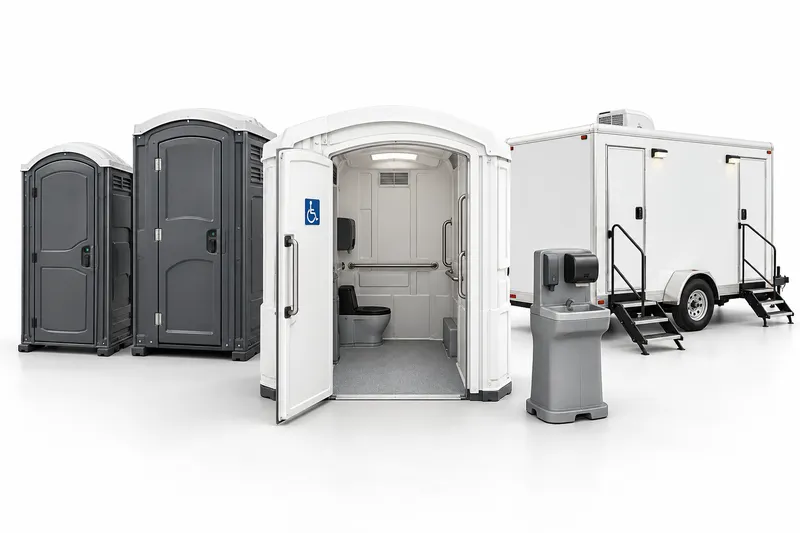
Portable toilets provide temporary restroom capacity where existing facilities are insufficient, unavailable, or impractical for the activity. Standard portable toilets are a practical starting point for workers, guests, and property use; accessible units, upgraded restroom options, and handwashing stations address different user and site needs.
An event may need both waste handling and sanitation, but they should be scoped separately. Share the expected use, people on site, operating dates, existing restroom access, and whether food, messy work, or outdoor activities make handwashing especially useful.
- Portable restrooms for gatherings, projects, private property, and temporary outdoor use.
- Handwashing support located where users can reach it without blocking activity or service routes.
- A placement area on stable ground with a vehicle approach for delivery, servicing when arranged, and pickup.
Set up placement, duration, and collection access
Choose a location that is usable for visitors or crews while remaining reachable for delivery and later removal. Note gates, narrow drives, overhead obstacles, soft ground, slopes, parked vehicles, and any property rules before scheduling.
For a brief gathering, coordinate arrival, event use, and pickup around the host's schedule. For a longer project or recurring use, discuss the expected duration, changes to the site layout, supply needs, and an appropriate service arrangement. Keep the route to equipment clear through collection.
- Confirm who can approve placement and provide access on delivery and collection days.
- Give a site contact who can answer questions if conditions change.
- Ask what load description, placement, delivery, collection, and any agreed service are included in the quote; availability and the applicable equipment arrangement are confirmed for the request.
Questions before you book
Can loose bags beside a regular can be assumed collected?
No. The Town of Plain Dealing's January 2026 notice says extra cans or loose bags need an advance arrangement. Confirm the current municipal arrangement for the address rather than relying on placement beside a can.
When is a separate waste-container discussion useful?
It is useful when a cleanout, event, project, or volume of material exceeds ordinary collection needs, or when the material needs a dedicated placement and pickup plan. Describe the load before selecting a container arrangement.
What material and access information is needed?
Share the material categories, approximate scope, any items needing separate handling, the placement area, driveway or gate conditions, and the contact who can approve delivery and collection.