
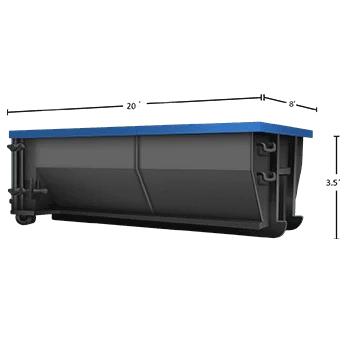
When a roll-off container may fit
A roll-off dumpster may be appropriate where a project creates enough debris that repeated small-load handling is impractical. Examples include major cleanouts, remodeling, repair work, site preparation, demolition-related debris, and recurring project material. The right arrangement depends on what will go into the container, how material will be loaded, and how long the work will continue.
This is different from a small waste receptacle or a temporary restroom. A waste container manages debris; portable sanitation supports workers or guests. Construction projects often benefit from planning each need separately so neither equipment type interferes with the other.
- Renovation, repair, or demolition-related material
- Large household or property cleanout contents
- Project debris generated over several workdays
- Materials that can be clearly described before delivery
Describe materials before the container arrives
Explain the project and identify the material expected from each phase. For example, distinguish household contents from lumber, fixtures, roofing material, soil, vegetation, masonry, metal, or other debris. A load should not be treated as accepted merely because it comes from a renovation or cleanup; uncertain, restricted, or potentially hazardous items need confirmation before they are loaded.
If different trades or property users will add material, designate someone to keep the load consistent with the confirmed plan. This avoids using the container as a catch-all for items that were not part of the original discussion.
Bulk and weight are different constraints. Packaging or furniture can occupy much of a container while masonry, soil and similar dense debris can create a heavy load with visible space still remaining. Do not treat unused space as permission to add more weight. Ask the provider which container and loading method fit the actual material, and confirm any included weight allowance, material-specific limit and permitted fill level.
Before loading, review the conditions that make the load eligible for collection: accepted contents, weight and fill limits, nothing projecting outside the permitted loading area, and a reachable container. If the material or amount changes, stop adding the uncertain portion and discuss a revised arrangement. An exchange, extra haul or excess-weight charge is governed by the specific order, not presumed from the container's size.
- Primary material categories
- Known excluded, uncertain, liquid, chemical, battery, or appliance items
- Whether the load may change as work progresses
- Who will oversee what enters the container
Plan truck access, placement, and project changes
A larger container requires more than an open spot at the end of the day. Review the entire delivery and collection path for road width, turns, gates, parked equipment, overhead lines or branches, ground firmness, grade, and space needed at the placement area. Share changes in traffic patterns, staging areas, or site security before a scheduled visit.
Choose a location that workers can use without creating a hazard or blocking emergency, trade, or property access. Discuss vulnerable pavement, landscaped surfaces, drainage areas, and any owner or site-manager requirements. Keep the approach clear for collection even when the job becomes busy.
- Approved placement location and surface condition
- Truck approach and exit route
- Overhead, gate, and turning restrictions
- Expected rental duration and collection timing
- A reachable site contact for delivery, service questions, and pickup
Coordinate collection around the real work schedule
Do not overfill a container or place material where it cannot be safely transported. Keep loading activity within the agreed arrangement and communicate if the project runs longer, the container becomes ready earlier, or access will be limited on the planned collection date.
A request can address the project description, anticipated duration, delivery and collection coordination, access conditions, and applicable material review. Final availability and the suitable container setup depend on the particular site and load.
Questions before you book
When might a roll-off dumpster be appropriate?
It can suit a substantial cleanout, remodeling project, construction activity, or other job that generates a sustained volume of clearly described material.
What site access is needed for a larger container?
Consider the truck route, turning room, gates, overhead clearance, parked vehicles, stable ground, placement space, surface sensitivity, and a contact who can resolve access issues.
How should project materials be described?
Name the expected material categories and separate household items, construction debris, vegetation, fixtures, and any uncertain or restricted materials. Confirm the actual planned load before delivery.