
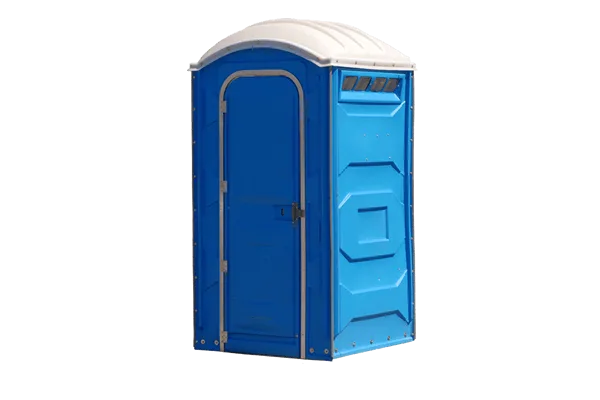
What a standard portable toilet is for
Standard portable toilets are self-contained temporary restroom units suited to many short-term and ongoing needs. They are often the starting point for a backyard gathering, outdoor work area, renovation, cleanup, festival support area, or construction site.
In a conventional self-contained cabin, the enclosed toilet sits over a waste-holding tank that is emptied through an arranged service visit rather than connected to the building sewer. Ask about the actual seat, privacy latch, ventilation and paper provision. Flushing, an interior basin and electric lighting are not automatic standard-unit features. Toilet use also needs a washing plan; a sanitizer dispenser, if supplied, is not a water-and-soap station. Keep bottles, wipes, construction debris and other rubbish out of the tank, and report damage or a malfunction to the rental contact.
The right request begins with who will use the unit, when they will need it, whether another restroom is available, and how the site will operate. A small daytime gathering and an active jobsite may both use standard equipment, but their access, duration, and servicing needs can be quite different.
- Outdoor parties, reunions, and community gatherings
- Construction, renovation, landscaping, and property projects
- Temporary support where indoor facilities are unavailable, distant, or not intended for use
Compare standard units with other restroom choices
A standard unit may be the straightforward choice when a basic temporary restroom meets the needs of the users and site. Accessible units are intended to provide a more accommodating option and need a clear, usable approach. Deluxe options may suit customers seeking added comfort features, while trailer-style facilities can be considered for guest-facing occasions where the site can support their particular placement and access requirements.
Handwashing equipment is a separate part of the sanitation plan. It can be useful near restrooms, food service, work areas, or other points where people need to clean their hands. Applicable models and available equipment should be confirmed for the request.
- Standard: practical self-contained restroom support
- Accessible: a roomier option requiring a planned approach route
- Deluxe: an upgraded portable restroom choice for selected uses
- Trailer-style: a higher-comfort option whose site requirements should be discussed
- Handwashing: a complementary hygiene station rather than a replacement for restrooms
Prepare the location for placement and service
Choose a level location with a practical vehicle approach and enough room for delivery, later servicing if needed, and collection. The unit should be convenient for users without blocking gates, work activity, guest routes, parking circulation, or emergency access.
Share the address or booked-site details, the proposed placement area, surface conditions, route restrictions, gate or contact arrangements, and the dates of use. On a changing worksite, keep the route and unit location under review as equipment, excavation, materials, or controlled areas change.
- Confirm property or venue permission before scheduling
- Identify a level, stable placement area
- Keep a route open for delivery, service, and pickup
- Provide a site contact who can address access questions
- Explain whether the unit will be used by guests, crews, or both
Duration, care, supplies, and collection
For a brief use, coordinate delivery and collection around the event or project schedule and preserve access after the activity ends. For a longer need, discuss expected use and a workable ongoing service arrangement. Users should keep the surrounding area usable and avoid placing obstacles, parked vehicles, or materials in the service route.
A quotation can describe the requested equipment, rental period, site access information, delivery and collection coordination, and any planned service or complementary handwashing needs. Before pickup, confirm that the unit can be reached and that the property, venue, or site contact understands the collection arrangement.
- Expected start and end dates
- Estimated users and periods of heavier use
- Requested unit type and accessibility needs
- Handwashing or other complementary equipment
- Placement, access, service, and collection details
Questions before you book
What is a standard portable toilet best suited for?
It is a practical starting point for temporary restroom needs at outdoor gatherings, work areas, construction projects, cleanups, and properties where permanent facilities are unavailable or not suitable for use.
How is a standard unit different from accessible or deluxe equipment?
A standard unit provides basic temporary restroom support. Accessible units require a usable approach and offer a more accommodating layout, while deluxe and trailer-style options may be considered when the desired guest experience and site conditions call for an upgrade.
What does the site need for placement and service?
Plan for a level area, permission to place the unit, and a clear vehicle approach for delivery, servicing when arranged, and collection. Share gates, route limits, site contacts, and changes that could affect access.